AI Challenge
Submissions due by June 30, 2026
Application deadline has ended
00
Days
00
Hours
00
Minutes
00
Seconds
Unleashing Innovation at the Intersection of Healthcare and AI
The HL7 AI Challenge is more than just a competition—it's a global movement designed to spotlight the groundbreaking innovation happening at the nexus of healthcare and artificial intelligence. This is your opportunity to highlight the incredible advancements being made by the health IT community and how HL7 standards are empowering these breakthroughs.
From life-saving applications to cutting-edge research, the HL7 AI Challenge is a platform for visionaries, developers, and problem-solvers across the globe to showcase how HL7 is driving real-world solutions in the health sector.
Why It Matters:
The HL7 AI Challenge aims to:
- Recognize and reward trailblazing teams and transformative solutions by offering a high-visibility platform to share success stories with the world.
- Curate and share best practices by building a valuable repository of community-driven insights on applying HL7 in AI projects.
- Demonstrate the power of HL7 standards by highlighting their essential role in supporting and scaling AI across healthcare.
- Grow a global community by bringing together experts, innovators, and organizations leveraging HL7 to shape the future of health tech.
For additional information on how to apply to the AI Challenge, view the on-demand webinar "Everything You Need to Know Before You Apply".
Whether you’re an AI pioneer, a developer pushing boundaries, or a healthcare leader looking to drive impact—this is your moment.
Join the Challenge. Inspire the Industry. Transform Healthcare.
Judges
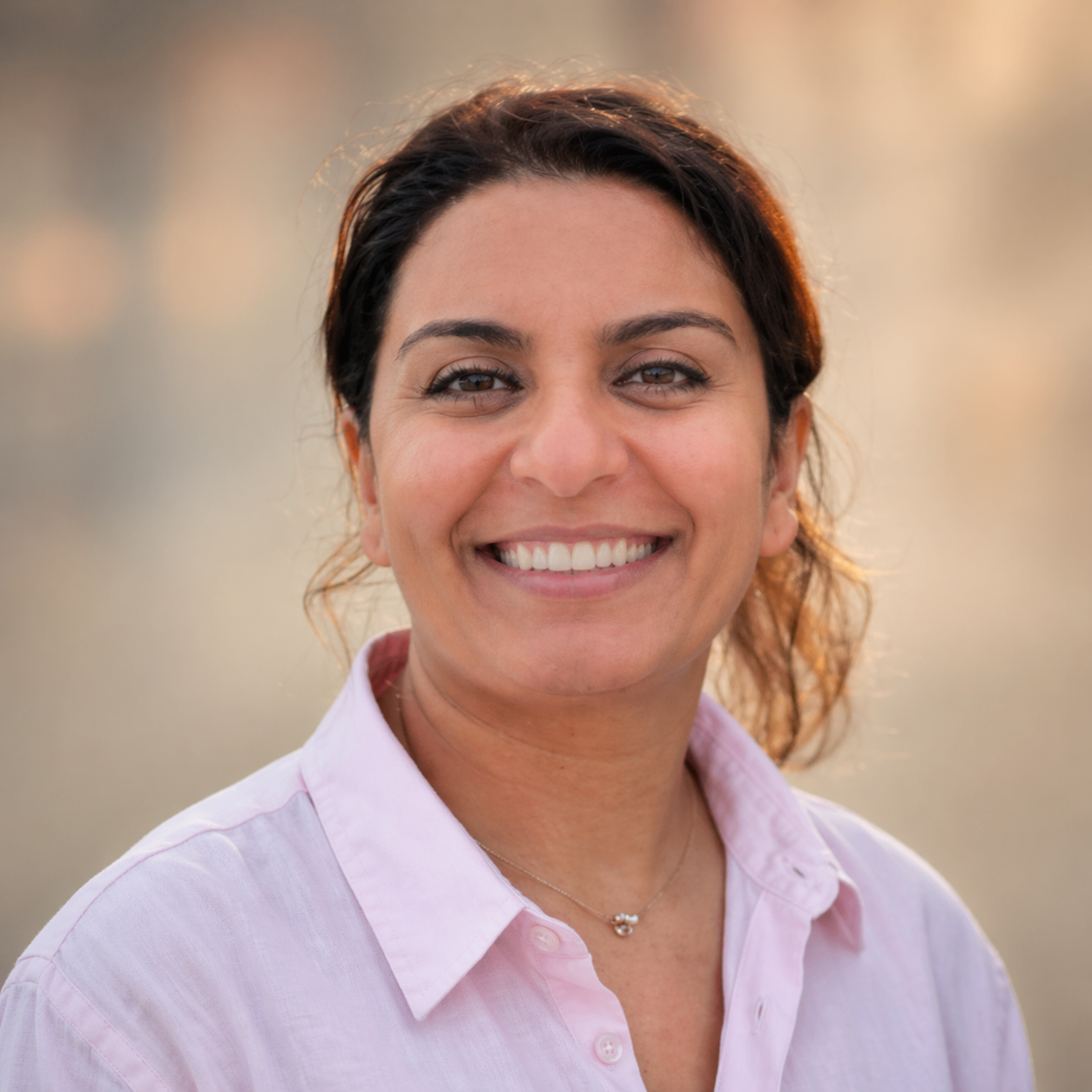
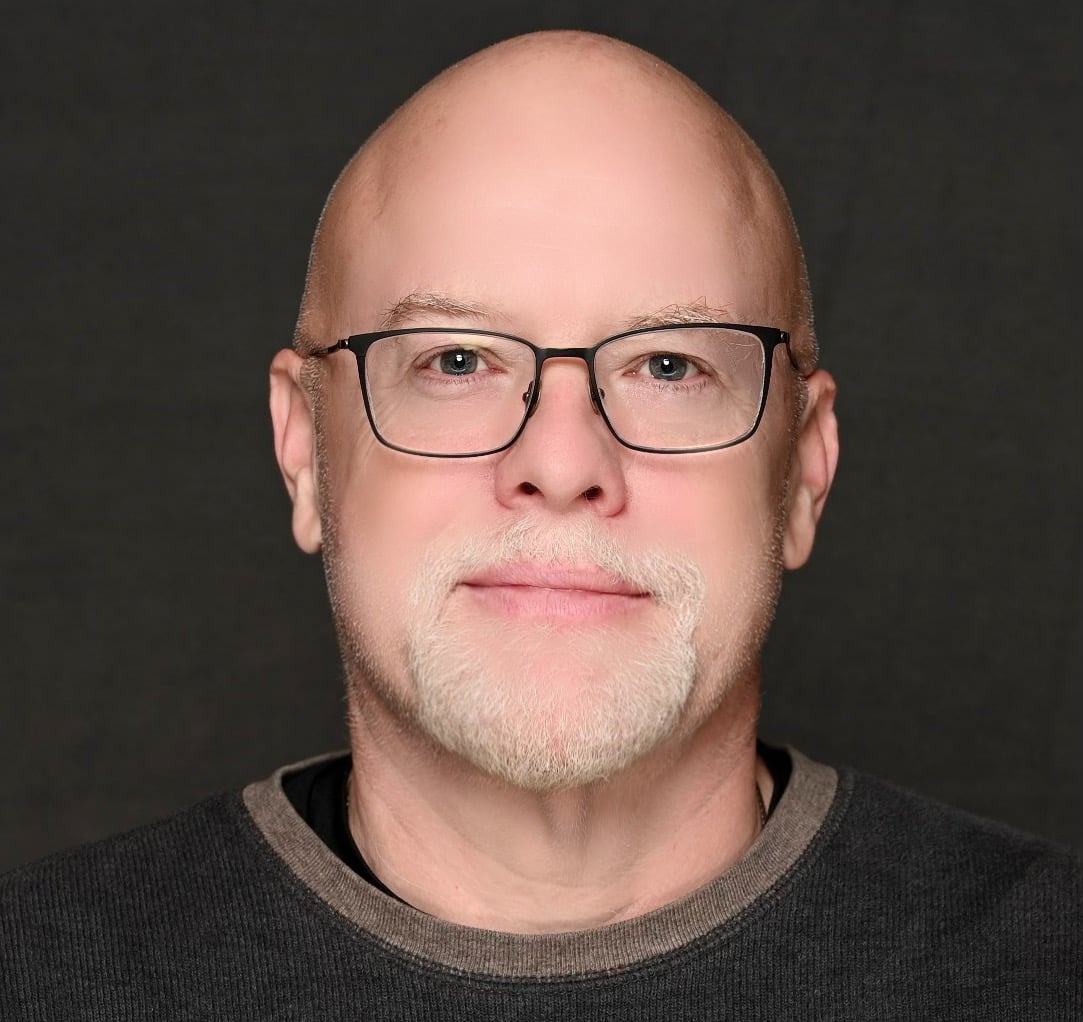
Dr. Mandana Ahmadi is a scientist, healthcare AI strategist, and operator working at the intersection of AI systems, healthcare infrastructure, interoperability, and clinical workflow integration. Her work has focused on the practical deployment of trustworthy AI in healthcare, including agentic AI systems, privacy-preserving architectures, longitudinal patient context, and integration with existing EMR and hospital environments.
She has experience spanning healthcare AI operations, evaluation frameworks, and regulatory pathways, including certification processes for deep science and automated clinical healthcare technologies across UK and European healthcare ecosystems.
Mandana is particularly interested in how open standards and interoperable agent-based systems can accelerate safe and scalable AI adoption in healthcare. Her perspective combines scientific rigor, systems thinking, and operational experience in real-world clinical environments.
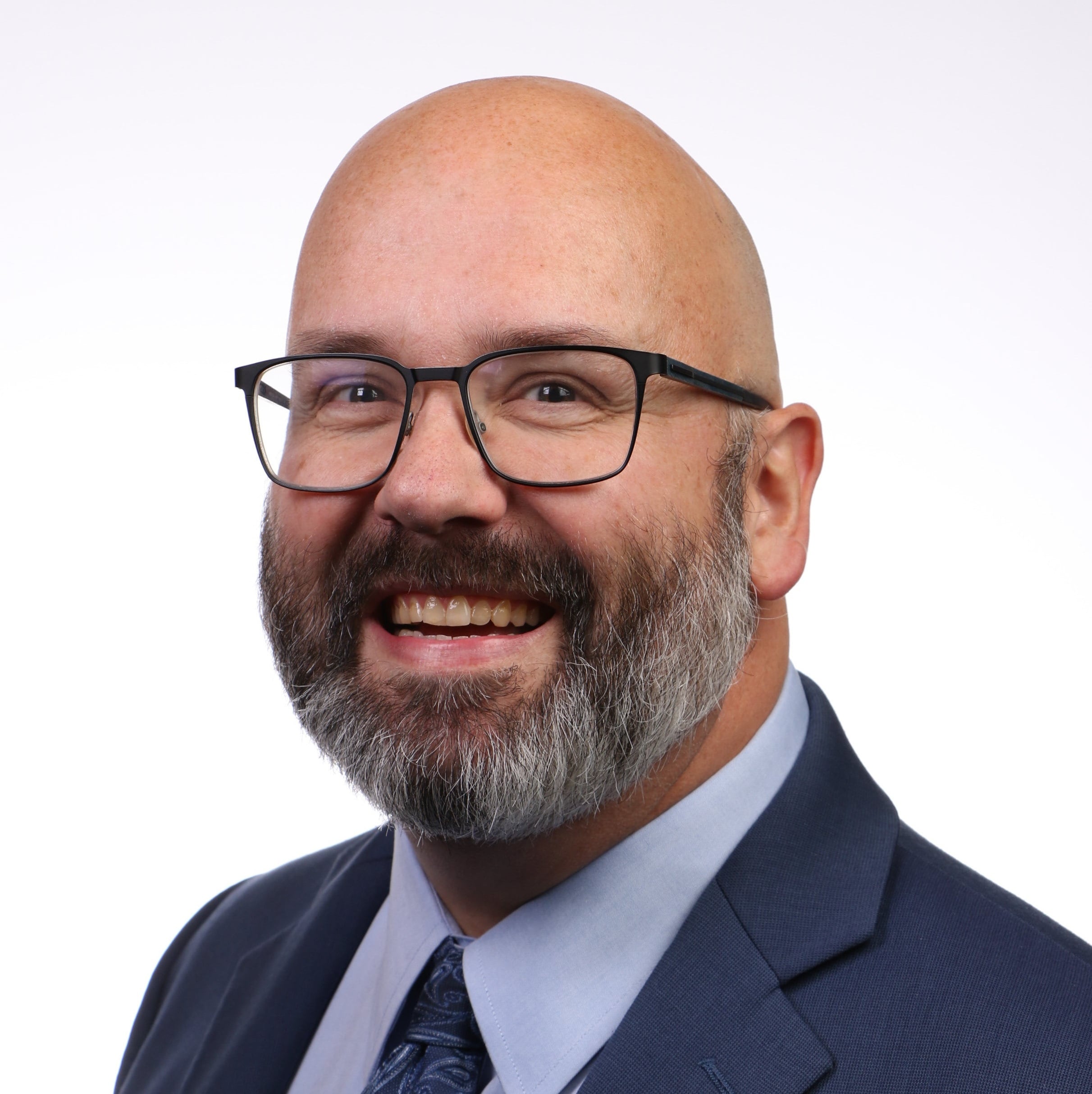
For over 25 years, Brad Genereaux has been driven by a single goal: making digital health technology work better for physicians, nurses, and patients alike. As a digital health and medical imaging leader, he turns emerging technologies — reasoning, speech, and vision AI — into real-world clinical solutions that scale safely, securely, and without friction. He's a passionate advocate for open standards, open models, and open source, as he believes transparency and collaboration are what move healthcare forward.
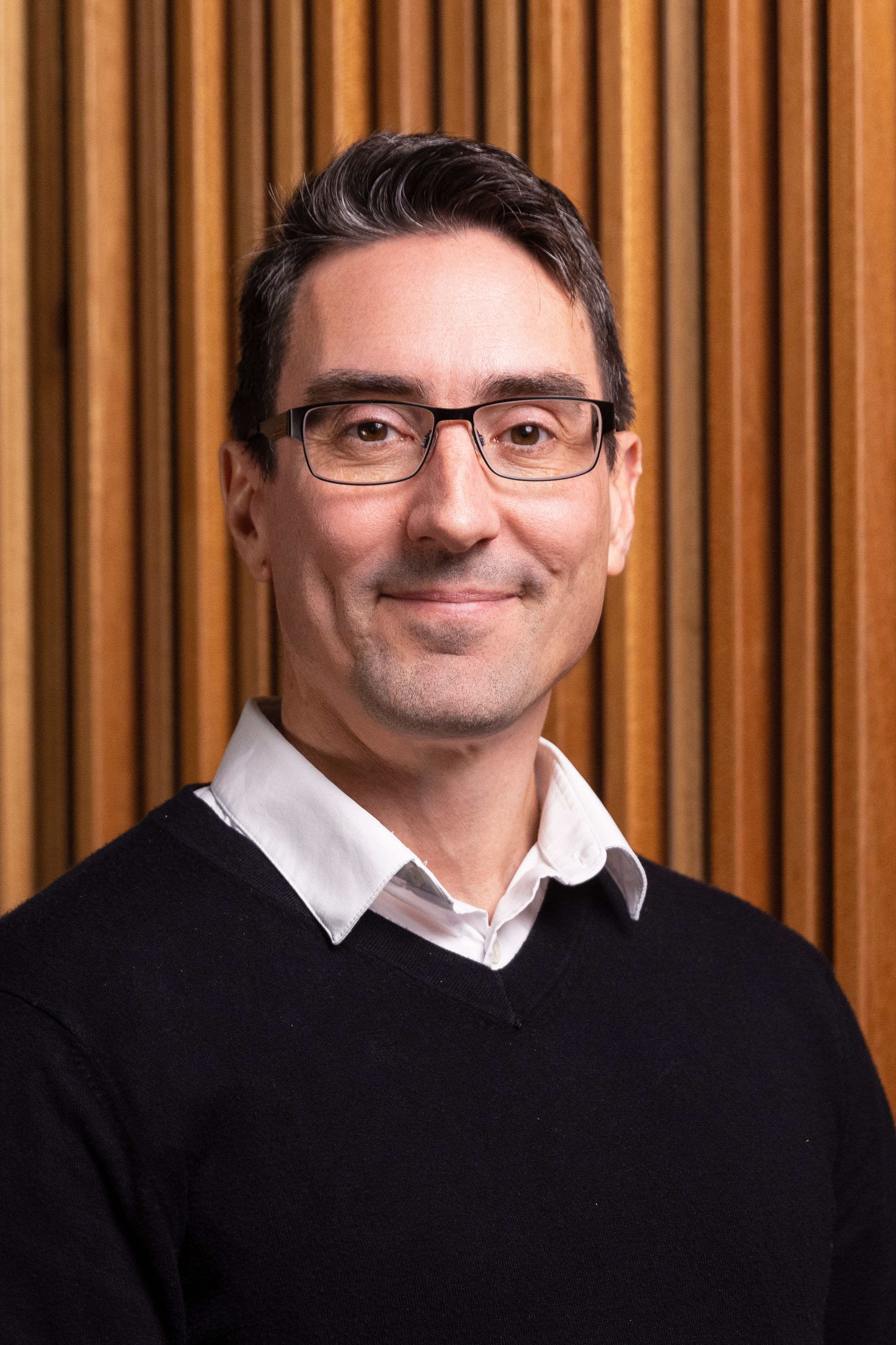
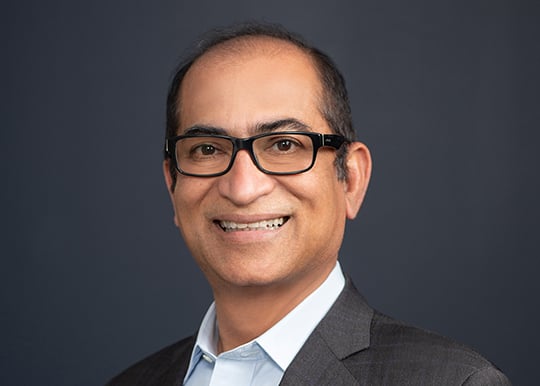
Dr. Robert Lario is an enterprise systems engineer, researcher, AI practitioner, and enterprise architect with more than 35 years of experience in artificial intelligence, healthcare IT, interoperability, enterprise architecture, knowledge representation, and standards-based system modernization.
His work in AI spans more than three decades, including early development of neural networks for image classification and the design and implementation of production rule expert systems more than 35 years ago. Throughout his career, he has focused on bridging symbolic AI, statistical learning, knowledge engineering, and enterprise-scale operational systems.
Dr. Lario currently works for University of Utah Health and supports the Indian Health Service through Intergovernmental Personnel Act (IPA) assignments sponsored by the university. He previously supported the Department of Veterans Affairs in a similar capacity.
His work focuses on translating advanced informatics, architecture, and AI concepts into practical systems that improve healthcare delivery, patient safety, operational performance, and enterprise decision-making. His expertise spans HL7 FHIR, DICOM, BPM+ Health, UML, BPMN, DMN, UPDM, UAF, domain-specific languages, semantic modeling, multi-level knowledge graphs, explainable AI, and AI-enabled clinical and operational workflows.
Dr. Lario’s work integrates symbolic reasoning, ontologies, graph technologies, machine learning, and enterprise architecture principles to create scalable and governable systems capable of supporting real-world healthcare modernization initiatives.
He holds a Ph.D. in Biomedical Informatics from the University of Utah, where his research focused on the representation of clinical knowledge, an MBA from the Wharton School of the University of Pennsylvania, and a master’s degree in Systems Engineering from the University of Pennsylvania School of Engineering and Applied Science.
A founding contributor to BPM+ Health and an active participant in HL7 and OMG standards initiatives, Dr. Lario brings a practical, standards-oriented perspective to evaluating AI innovation. His work emphasizes explainability, interoperability, governance, traceability, clinical usefulness, and the responsible deployment of AI-enabled solutions in operational healthcare environments.
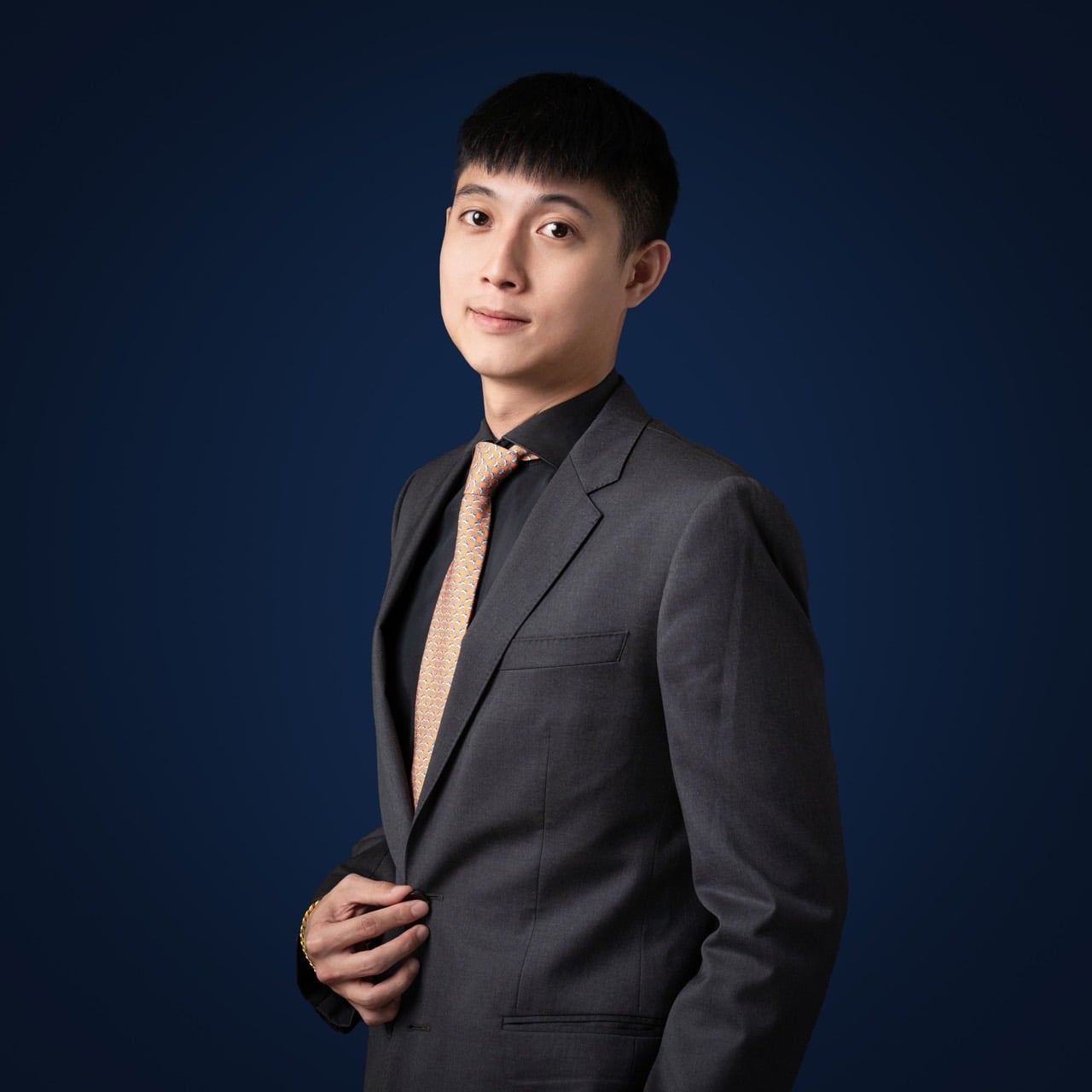
Dr. Hsiu An Lee is the Vice President of R&D at Taiwan Health and Bio DataBank Technology Inc. (THBC) and General Secretary of the Asia-Pacific Association for Medical Informatics (APAMI). He specializes in HL7 FHIR interoperability, healthcare AI, biomedical data integration, and digital health transformation. Dr. Lee has led multiple national-scale healthcare informatics and FHIR implementation projects in Taiwan, including smart hospital, genomics, and real-world data initiatives. He is actively involved in international health informatics collaborations and serves as a reviewer, advisor, and speaker in the fields of healthcare interoperability and AI applications.
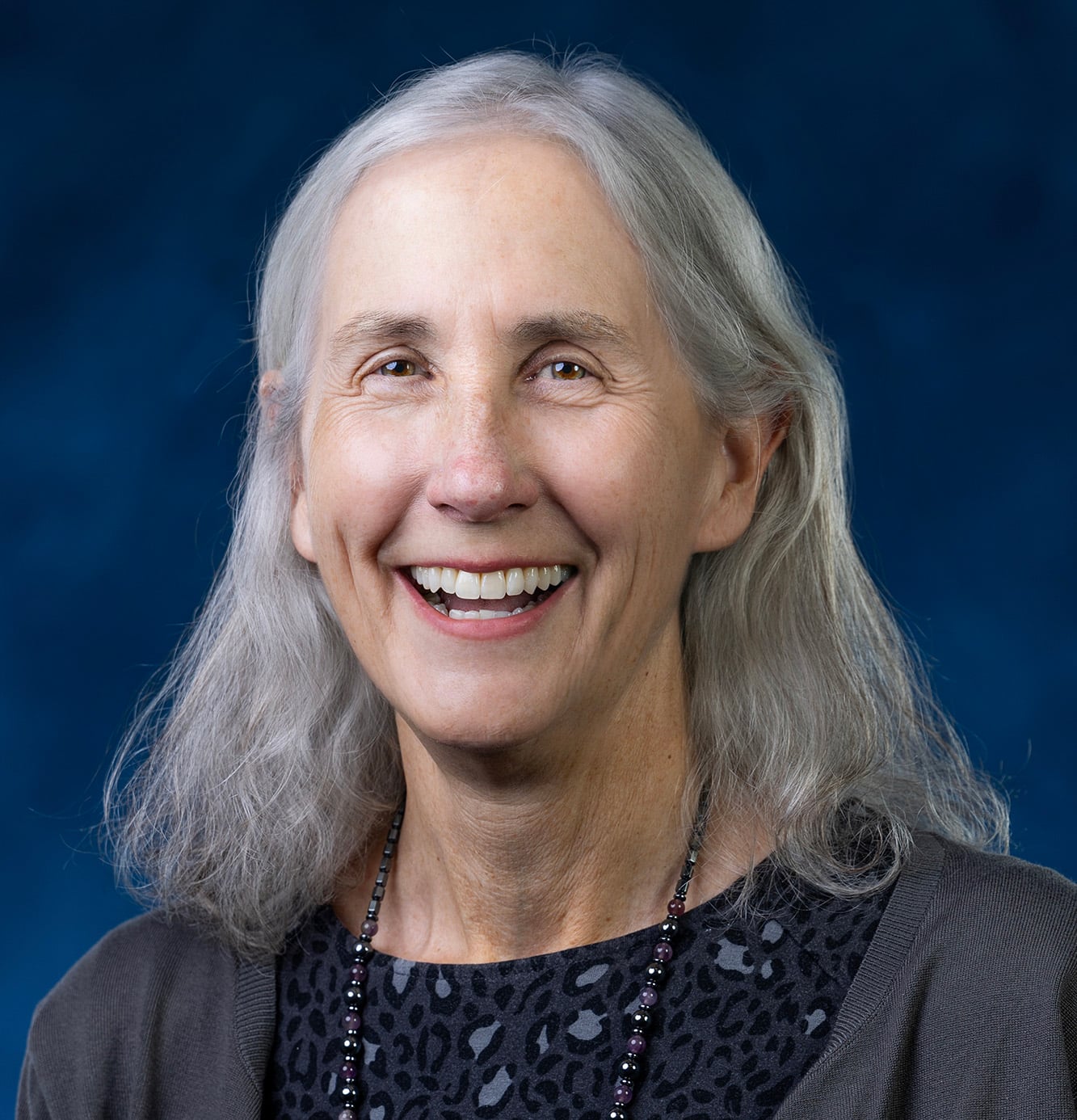
Josh led development of the SMART on FHIR specification (the basis for US Patient Access API capabilities that every certified EHR must support) and the SMART Health Cards specification (used by nationwide pharmacies, state public health departments, and EHRs to issue verifiable records of COVID-19 vaccination status). Josh also launched the Clinical Decision Support Hooks project, supporting integration of external decision support services within the clinical workflow. As a member of the national Health IT Standards Committee, Josh showed a special interest in tools and interfaces that support software developers who are new to the health domain.
.png?width=125&height=74&name=HL7_International_tucked-inR(1).png)